
If everything feels too much right now, you do not need to read this whole article. Start by reducing one source of input, finding a safer or quieter position, and pausing any conversation that can wait.
You may not be able to stop overload immediately. These options can help you reduce demands; they cannot guarantee that a shutdown will not happen. Needing to withdraw or recover is not a failure.
For definitions and the wider picture, return to Sensory Overload in Adults: What It Is and How to Cope.
Start here: one manageable action
Choose whichever is easiest. You do not need to do all three.
- Reduce one input. Turn off nearby audio, move away from glare or pause a notification.
- Find some space. Move to the quieter edge of the room or leave if you can do so safely.
- Pause the conversation. Say or show: “I need a break. Please give me a little time.”
If you are driving or doing something where losing concentration could be dangerous, stop safely before using your phone or trying an exercise. Prioritise immediate safety over finishing the task.
Reduce what is arriving
Look for a change that makes your actual conditions easier. Changing tasks while staying in the same loud, bright space may not give you much relief.
| What is hardest right now? | A small change to try |
|---|---|
| Several sounds competing | Turn off one source, pause speech or move away from a speaker |
| Bright or busy surroundings | Face a calmer area, reduce glare or dim a light you control |
| Uncomfortable touch or heat | Ask for space, adjust a seam or move somewhere more comfortable |
| Too many questions | Ask for one question at a time, or ask to talk later |
| A crowded route | Pause somewhere safe and less busy before continuing |
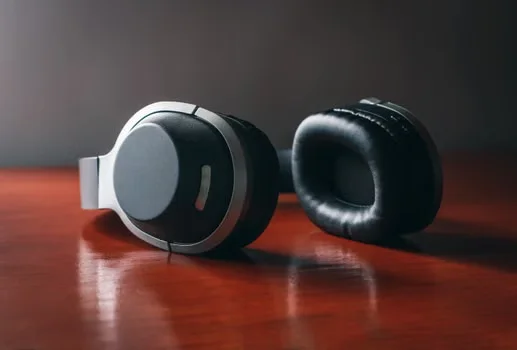
Headphones or ear protection can be useful in a noisy setting if they suit you and you can still stay aware of safety information. They will not address light, touch or the demands of conversation. If everyday sound is painful or persistently difficult, seek individual advice rather than relying only on blocking sound.
If you cannot leave yet
You may be at work, caring for someone or waiting for transport. Having limited options does not mean you are handling overload badly.
Consider what is within reach: move a little farther from the sound, face away from movement, put a non-essential conversation on hold, or ask someone to take over one task briefly. In a queue or meeting, a short request such as “Could I wait somewhere quieter?” may be easier than a long explanation.
If another person can help, ask for one specific action. “Please take this bag” or “Please speak to reception for me” gives them something concrete to do.
The aim is a little less demand while you arrange the next step. You do not have to make the environment comfortable before you are allowed to acknowledge that it is difficult.
Make speaking optional
When words are hard, use a note, a text or an agreed gesture. A ready-made message might say:
I am overloaded and finding speech difficult. Please give me some space and time. A written question is easier right now.
Adapt this to your own preferences. Some people want company; others need to be alone. If you are supporting someone else, offer simple choices and allow time for a response. Do not insist on touch, eye contact or an explanation.
The communication guide includes short scripts for work, home and public places.
Use a familiar comfort only if it helps
Some people find a familiar object, a predictable movement or a comfortable seated position useful. Others need less input rather than another activity.
If slower breathing feels comfortable, you can try it without forcing a particular rhythm. If focusing on breathing or body sensations makes things worse, stop and choose something else. A tool does not become right for you because it helped someone else.
Avoid turning recovery into a checklist you have to pass. Quiet, fewer demands and time may be more accessible than a complex technique. Later, creating a sensory toolkit can help you prepare a few familiar options.
After the intensity eases
Give yourself room to recover before deciding what comes next. Where possible, reduce the next conversation or task rather than treating the first improvement as a sign you must resume everything.
Check practical needs you may have missed, such as water, food, temperature or a comfortable place to sit. Choose what is appropriate for you; none is a guaranteed treatment for overload.
You may still feel tired or unsettled after leaving. The Knowledge Hub explains the informal term sensory hangover. If reduced capacity keeps extending beyond individual events, the burnout resources may help you consider the wider pattern.

Plan one easier step for next time
Reflection can wait until you have capacity. Rather than reviewing everything, choose one question: “What was the first thing that became harder?” The guide to body signals during sensory overload can help you find words for it.
You might save one message, keep a useful tool within reach or identify a quieter place before your next visit. Small changes can make asking for support easier even when overload cannot be prevented.
If recording a few observations is helpful, AuDHD Companion offers daily check-ins and personal pattern insights. You can also use a simple note. There is no need to track while you are overloaded, and observations are not a diagnosis.
When these steps are not enough
If overload is frequent, worsening, painful or substantially affecting what you can do, seek advice from a qualified health professional. A change in your physical health or communication should not automatically be attributed to overload.
This is general educational guidance, not personalised medical treatment. Explore the free Knowledge Hub when you want more context, or return to the main sensory overload guide.